Atradius Atrium
Get direct access to your policy information, credit limit application tools and insights.

 Group
Group
 Australia
 Austria
 Belgium
 Brazil
 Bulgaria
 Canada
 China
China
 Czech Republic
 Denmark
 Finland
 France
 Germany
 Greece
 Group
Group
 Hong Kong SAR
 Hungary
 India
India
 Ireland
 Italy
Italy
 Japan
Japan
 Lithuania
 Mexico
 Netherlands
 New Zealand
 Norway
 Poland
 Portugal
 Romania
 Singapore
 Slovakia
 Slovenia
 Spain
Spain
 Sweden
 Switzerland
 Turkey
 United Arab Emirates
 United Kingdom
 United States
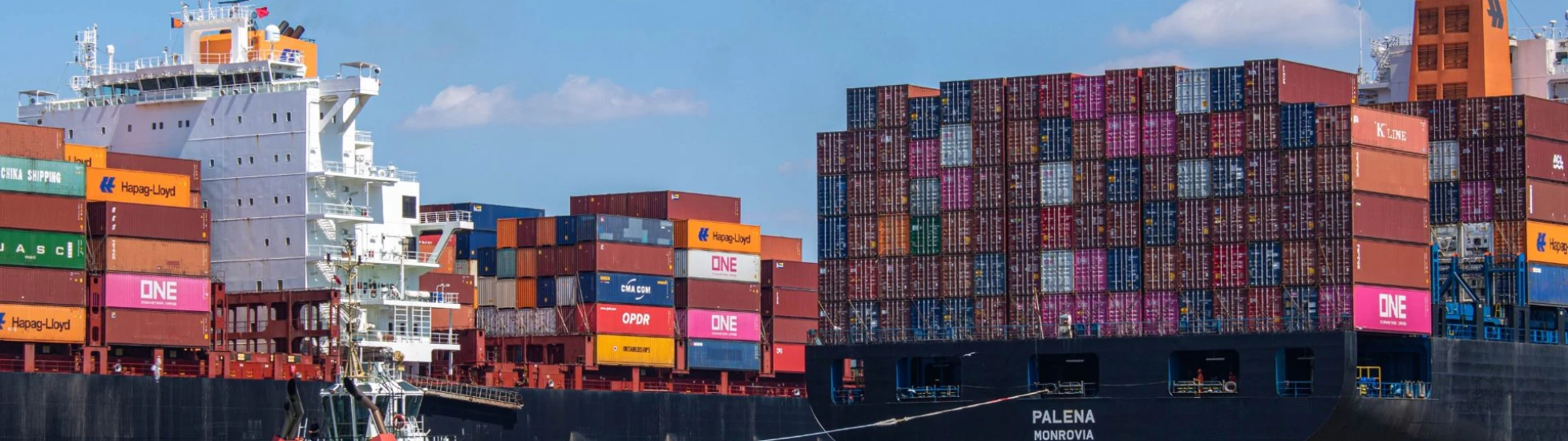
Tariffs have become a defining feature of global trade. While governments use them to protect domestic industries, generate revenue, or influence trade policy, tariffs can create significant challenges for exporters and importers. Higher costs, reduced competitiveness, and increased payment risk can all affect business performance and cash flow.
Trade tariffs are taxes imposed by governments on imported goods. Their primary purpose is to make foreign products more expensive, encouraging consumers and businesses to purchase locally produced alternatives.
For exporters, however, tariffs often create immediate commercial and financial pressures. When duties increase the cost of imported goods, buyers face higher purchasing costs. Exporters must then decide whether to absorb part of the increase, reduce profit margins, or pass the additional cost on to customers.
The effects often reach far beyond pricing. Changes in tariff policies can disrupt contracts, alter supply chain strategies, and affect customer demand. Even modest increases in trade costs can influence purchasing decisions, trading relationships, and long-term growth plans.
Tariffs can also increase uncertainty. Governments may introduce, adjust, or remove trade measures with little warning, making it more difficult for businesses to plan, forecast, and manage risk. As a result, exporters must continually assess the impact of changing trade policies on both their customers and their own operations.
Tariffs affect every stage of the trading cycle. Beyond increasing costs, they can place pressure on liquidity, reduce market competitiveness, and increase credit risk.
Companies often respond to tariffs by restructuring supply chains, sourcing goods from alternative markets, or changing production locations. While these actions may reduce future exposure, they frequently require additional investment and working capital.
The broader economic effects can also create challenges. Tariffs may contribute to slower economic growth, weaker business confidence, and reduced investment activity. In some markets, these conditions can weaken buyers' financial positions and increase the likelihood of payment difficulties.
For exporters that trade on open account terms, this creates an additional concern. Goods are delivered before payment is received, leaving businesses exposed if customers experience financial distress.
Accounts receivable often represent a significant proportion of a company's current assets. When buyers delay payment or fail to pay altogether, the impact can quickly spread through the business, affecting liquidity, profitability, and future growth opportunities.
One of the most significant consequences of tariffs is the increased risk of payment problems.
When import costs rise, buyers face immediate financial pressure. Some can pass these higher costs on to their own customers, but many operate in highly competitive markets where price increases are difficult to implement. As a result, profit margins can shrink and cash flow can tighten.
In these circumstances, buyers may seek to preserve liquidity by requesting longer payment terms, negotiating discounts, or delaying purchases altogether. For exporters, this often means carrying larger credit exposures for longer periods.
Financial pressure can also affect otherwise reliable trading partners. Businesses with a strong payment history may begin paying later than expected as they manage tighter margins and increased operating costs. In more severe cases, prolonged cost pressures can lead to insolvency or default.
As tariffs increase across supply chains, exporters face a greater likelihood of:
The result is increased uncertainty around collections and cash flow.
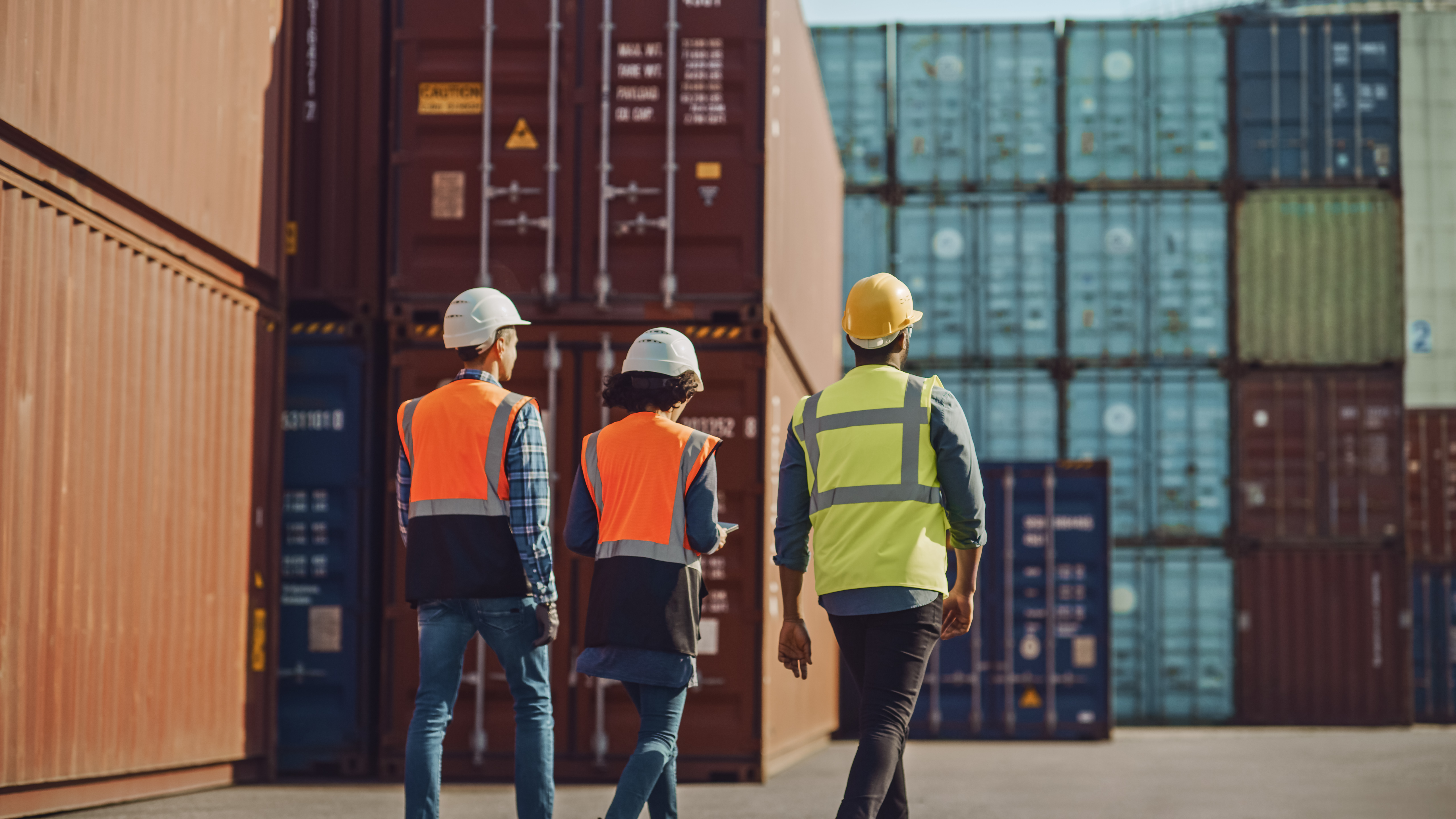
Tariffs don't need to be implemented to influence trade behaviour. The possibility of future tariffs can be enough to affect purchasing decisions.
When governments discuss new duties or use tariffs as a negotiating tool, buyers often become more cautious. Many delay investments, postpone orders or reduce inventory levels until they gain greater clarity.
Others may seek additional flexibility by requesting longer credit periods. While this can help buyers to manage uncertainty, it increases exporters' exposure to outstanding receivables and extends Days Sales Outstanding (DSO).
International trade adds another layer of complexity. Recovering unpaid debts from overseas buyers often involve different legal systems, languages, and regulatory requirements. Debt recovery can become expensive, time-consuming, and uncertain, particularly in markets experiencing economic or political instability.
For exporters, the combination of uncertain demand and increased credit risk makes careful risk management essential.
When tariffs increase market volatility, predictable cash flow becomes more valuable than ever. Credit insurance helps businesses protect themselves against losses caused by customer non-payment while providing valuable insights into buyer risk.
Credit insurance protects trade receivables against risks such as insolvency, protracted default, and certain political events. If a buyer cannot pay because of financial difficulties linked to tariff increases, supply chain disruption, or broader economic pressures, policy coverage can help reduce the resulting financial loss.
This protection allows exporters to trade with greater confidence. Rather than carrying the full risk of non-payment, businesses can safeguard earnings and maintain stronger cash flow even during periods of market uncertainty.
The value of credit insurance extends beyond claims payment. Credit insurers continuously monitor buyers, industries, and countries. This ongoing assessment provides early warning signs when risk levels begin to increase, enabling exporters to respond before problems escalate.
With access to current credit intelligence, businesses can:
This insight becomes particularly valuable during periods of changing trade policy, when financial conditions can shift quickly and unexpectedly.
Credit insurance can also support business growth. By reducing uncertainty around collections, exporters may feel more confident entering new markets or extending competitive payment terms to customers while maintaining control over risk exposure.
Tariffs are likely to remain an important feature of international trade. While businesses cannot control government policy decisions, they can take steps to manage the risks that arise from them.
A strong export strategy combines effective pricing, disciplined credit management, and robust risk protection. Together, these measures help businesses remain competitive while protecting profitability and cash flow.
Credit insurance forms an important part of that strategy. By protecting receivables, providing valuable market intelligence, and supporting confident trading decisions, it helps exporters navigate uncertain conditions and maintain financial resilience.
To explore how to strengthen your own credit risk strategy, get in touch with us and see how we can help you stay ahead.